Harvest fest apples & recipes
I’m so glad you made it out to the club’s Harvest Fest at the Chicago Botanic Garden. I’m Veronica, one of the board members, and I do a lot of apple testing and baking over at AskTheFoodGeek.com.
I’ve compiled a list of recipes from my own site as well as other Midwestern bakers, from pies and caramel apples to savory stews and salads.
Dutch apple pie
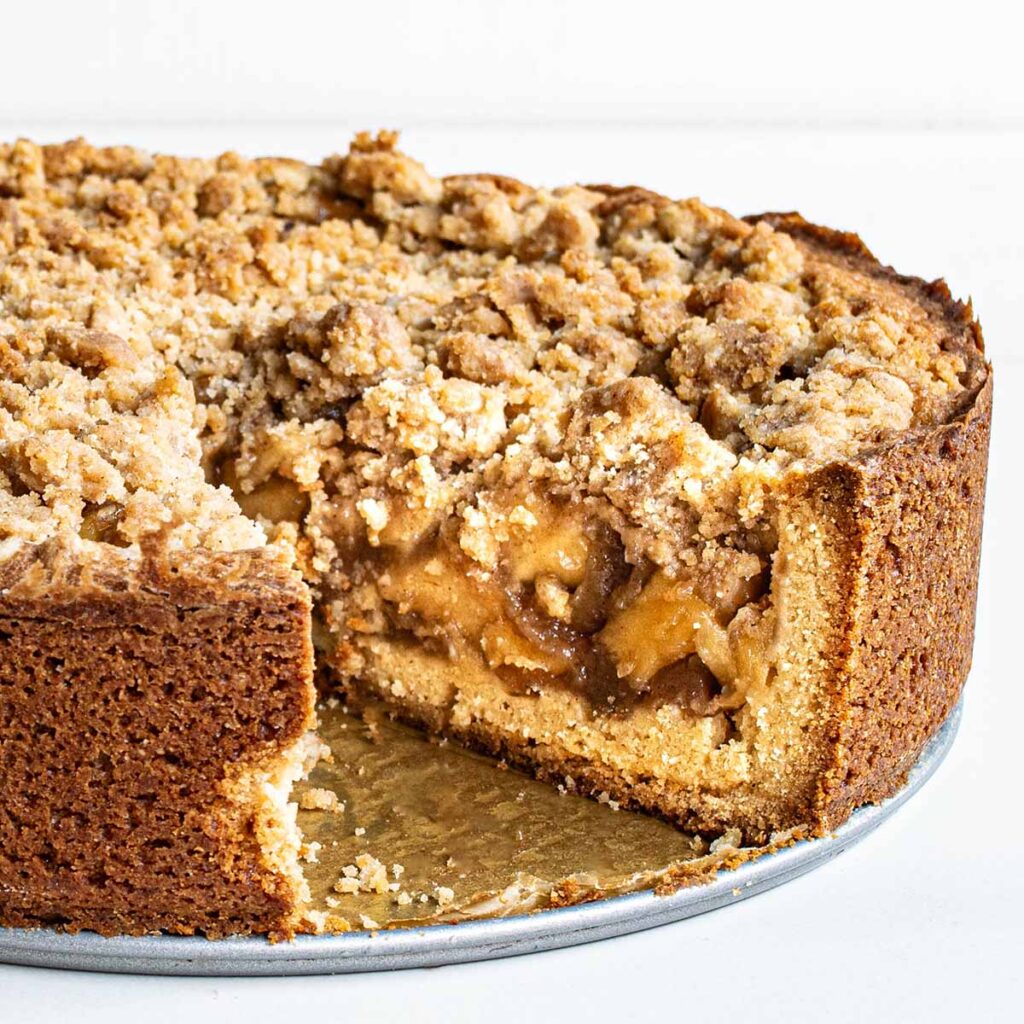
Cook apples on the stovetop for the perfect filling, poured into a sugar cookie crust, with a crumble topping. Get my Dutch apple pie recipe.
Apple pie with graham cracker crust
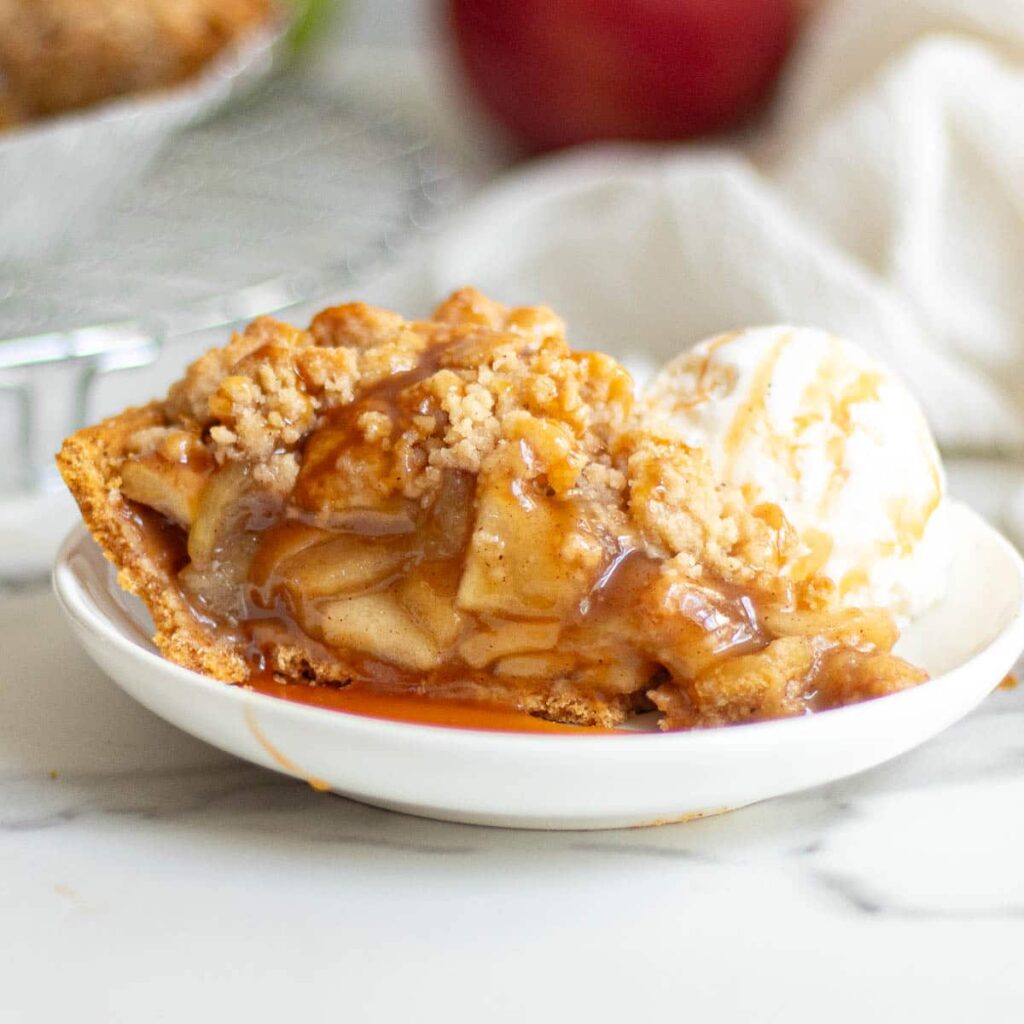
For a traditional apple pie, look no further than fellow Chicagoan Chenée Today. She uses a mix of apples and upgrades the standard crust to graham cracker. What’s not to love?!
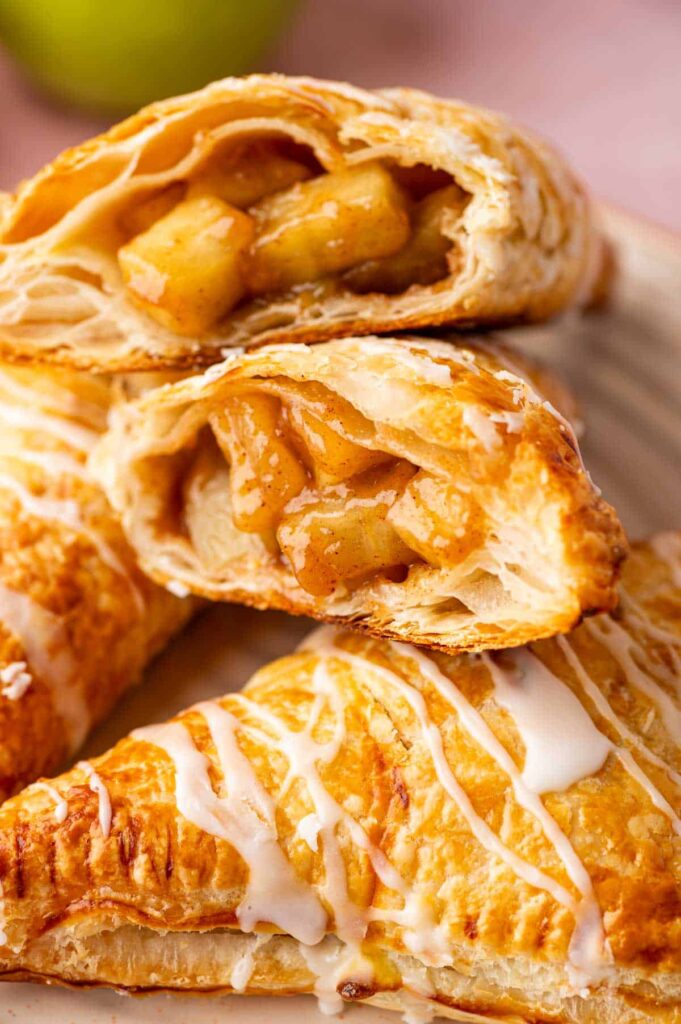
Apple pie turnovers with puff pastry
Use 4 apples and one sheet of puff pastry for these delicious apple turnovers by Abi at Food Exit, in Ohio.
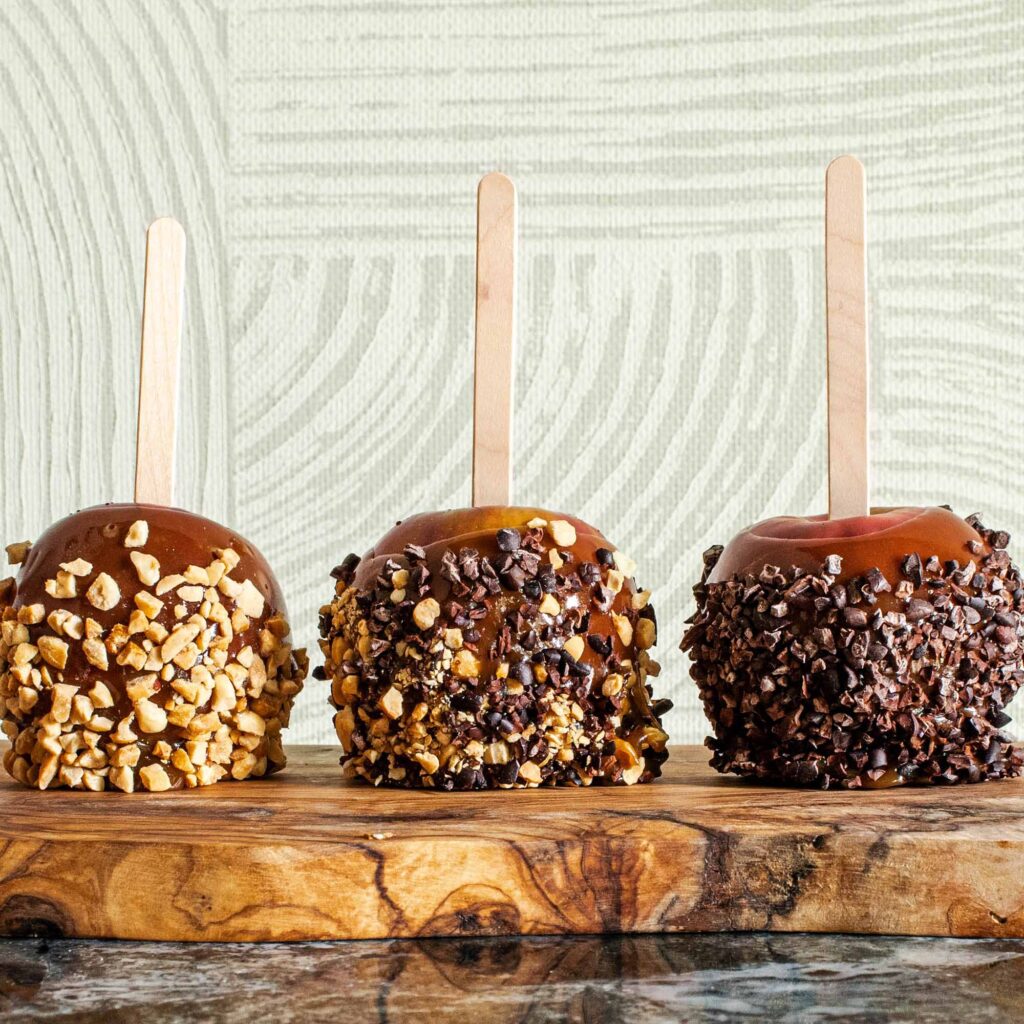
Easy homemade caramel apples
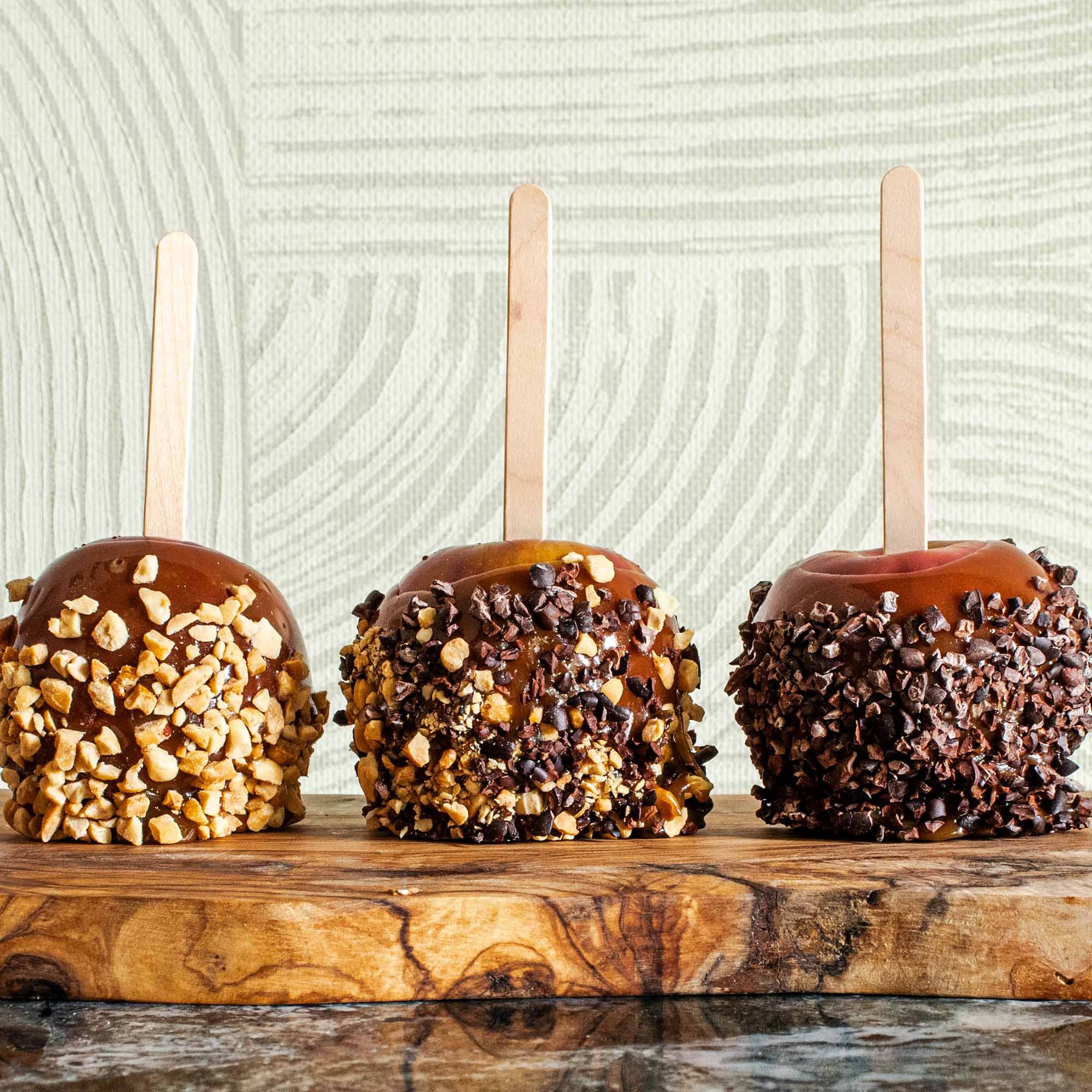
I worked alongside pastry chef Jessica Ellington, right here at the Chicago Botanic garden, to make caramel apples. She made caramel without corn syrup (and it was amazing), but I found it too hard to replicate at home. I have an easy homemade caramel apple recipe for you to try instead.
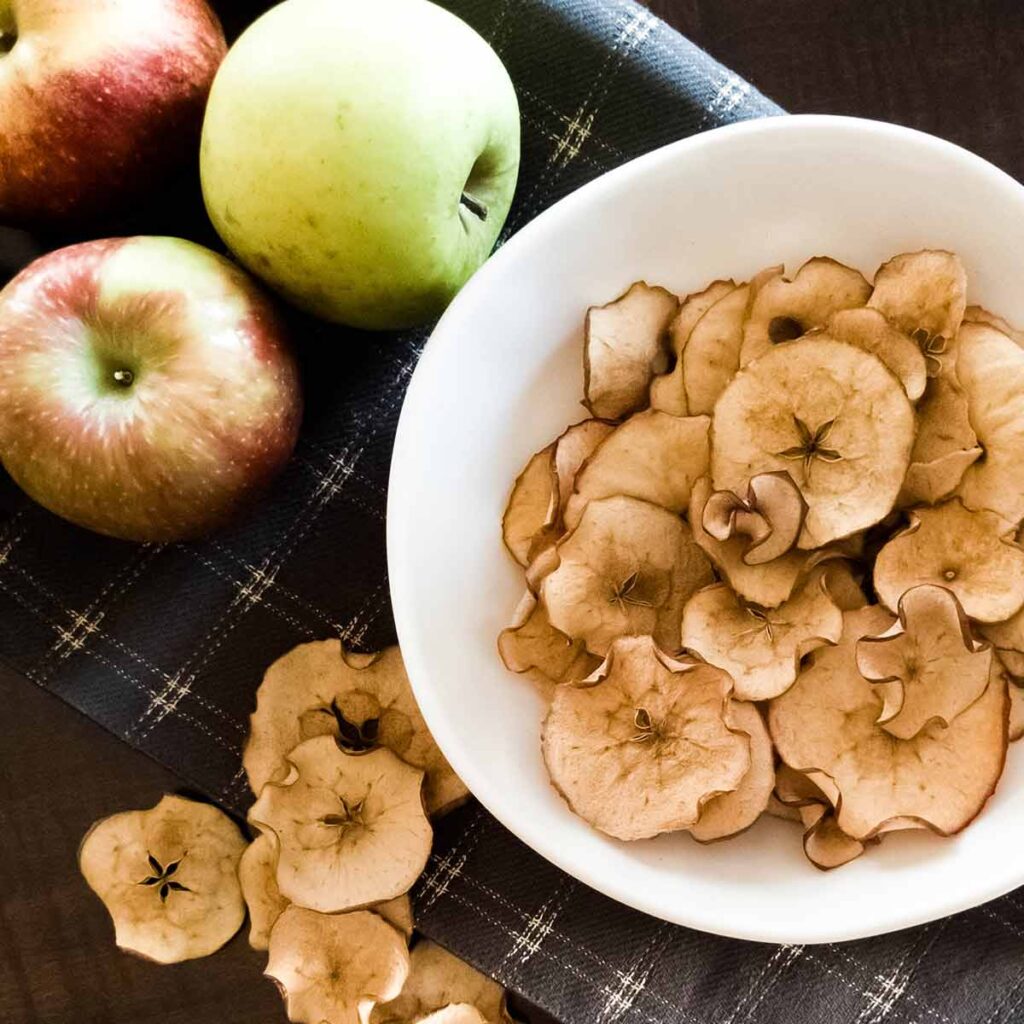
Crisp apple chips
Turn any apple into homemade apple chips. The apples from Harvest Fest are all flavorful enough that you don’t need added sugar. It takes 1.5 to 2 hours in the oven and they are a perfect snack.
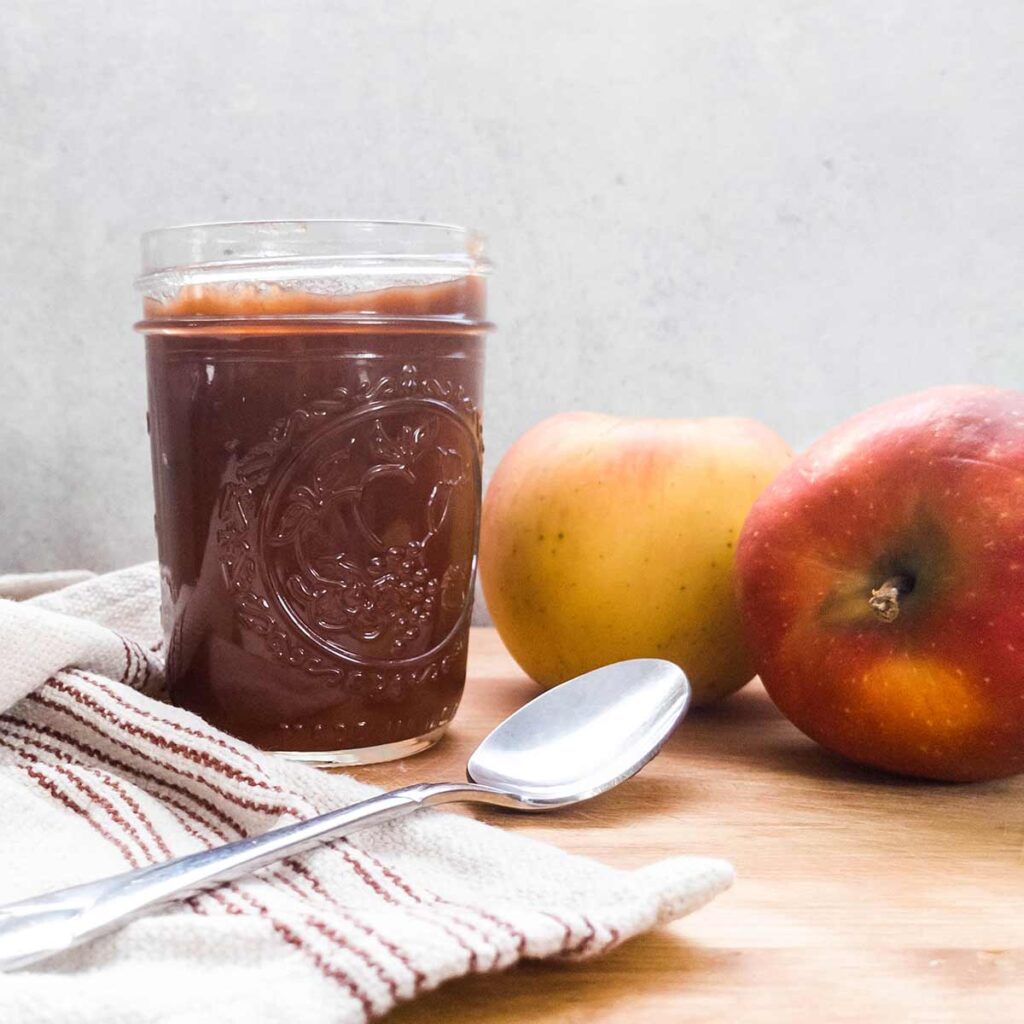
Apple butter
Use up a bunch of apples to make some apple butter, which you might want to preserve by canning in a water bath (and giving as a Thanksgiving hostess gift, perhaps?).
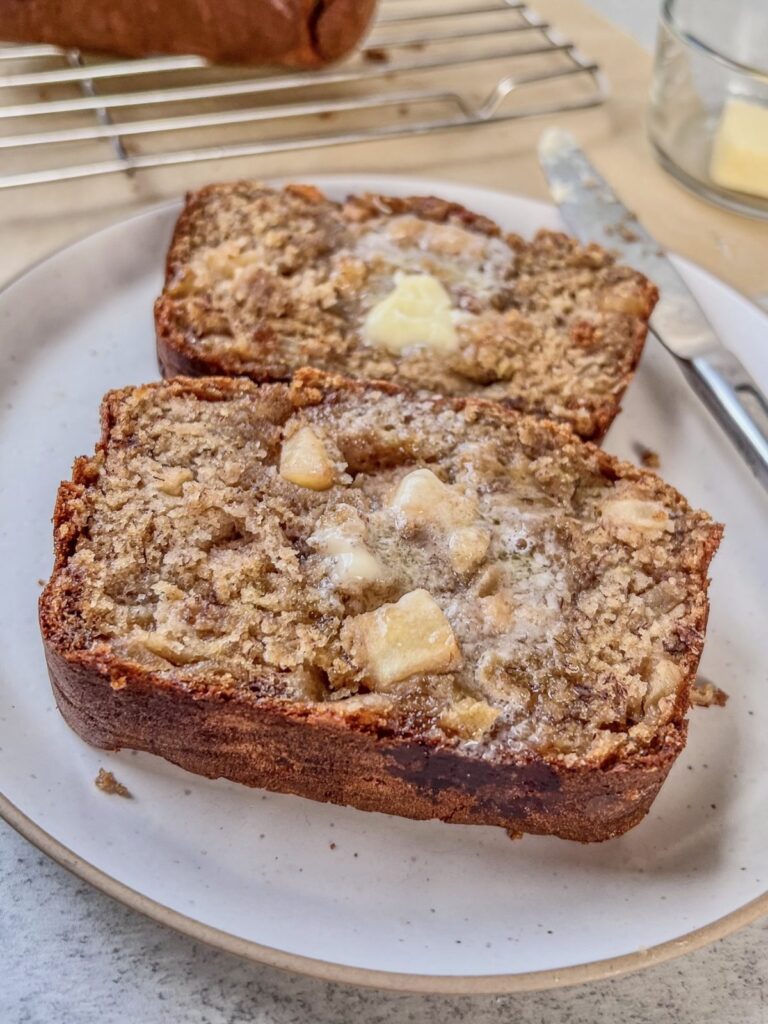
Apple banana bread
Make this apple banana bread that’s sweetened with maple syrup and apple sauce, and mixed in with chopped fresh apples and your leftover bananas. Get the recipe from Wisconsin’s own Lex from The Wholesome Spoon.
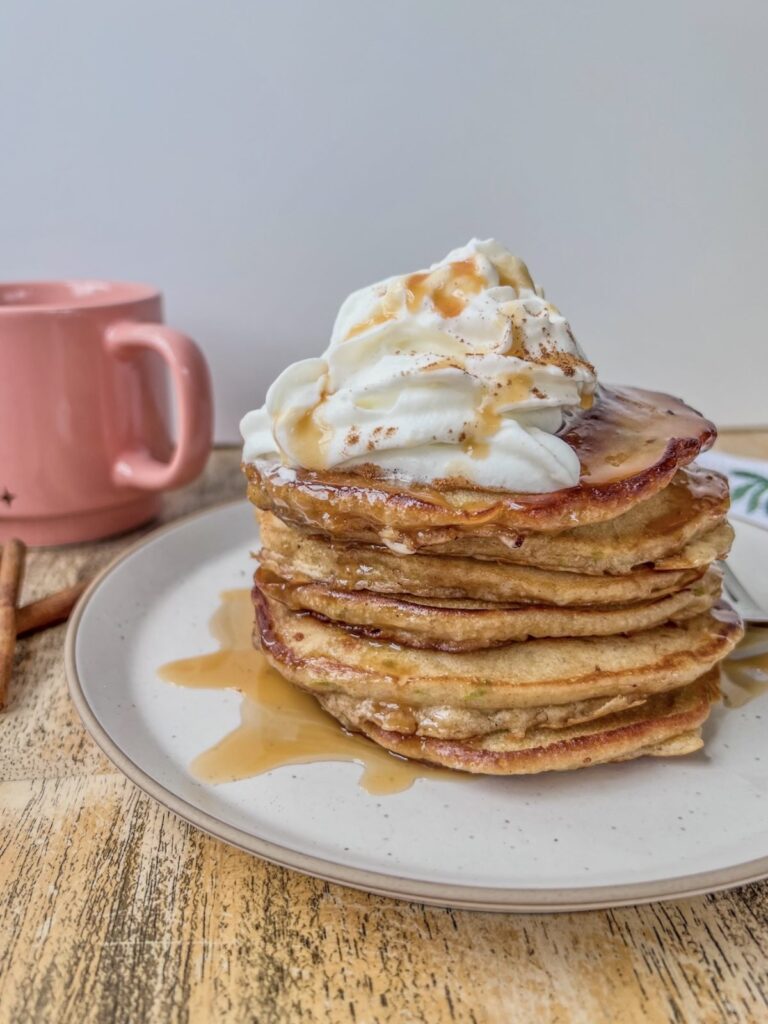
Caramel apple pancakes
Grab an apple in the morning for some easy caramel apple pancakes from our neighboring state of Wisconsin. Lex from The Wholesome Spoon shreds an apple before adding it to the batter. Give it a try!
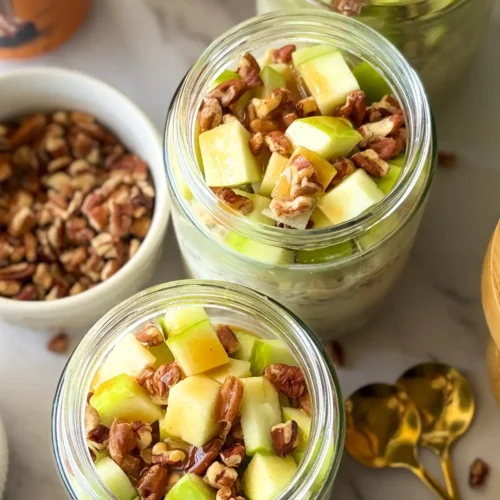
Salted caramel overnight oats
Make an easy breakfast for you or your kids on a school day with Alex’s caramel apple overnight oats. She’s a registered dietician from Michigan who knows how to make a healthy recipe.
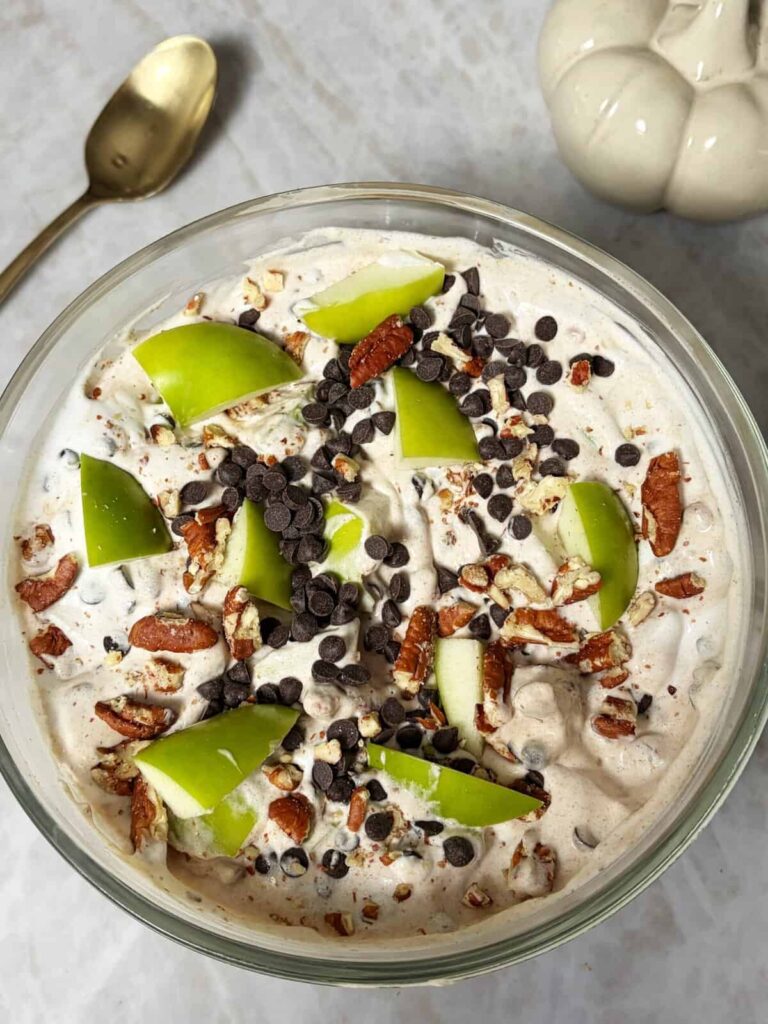
Gluten-free caramel apple salad
A Midwest classic! This version is from a fellow Chicagoan, Lauren from Less with Laur. She uses coconut whipped cream and dairy-free date caramel. Check out her whole collection of gluten-free apple recipes.
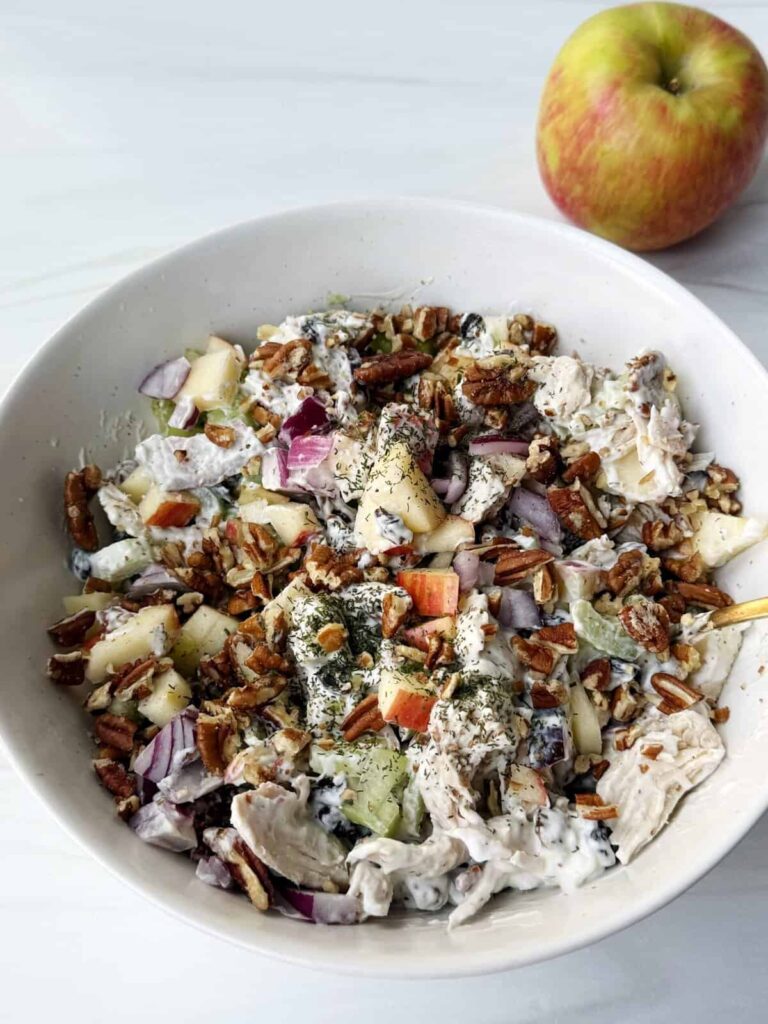
Fall harvest chicken salad
I loooove a good chicken salad and this one is perfect for your apple haul. Lauren from Less with Laur uses apples, raisins, celery, red onion and pecans.
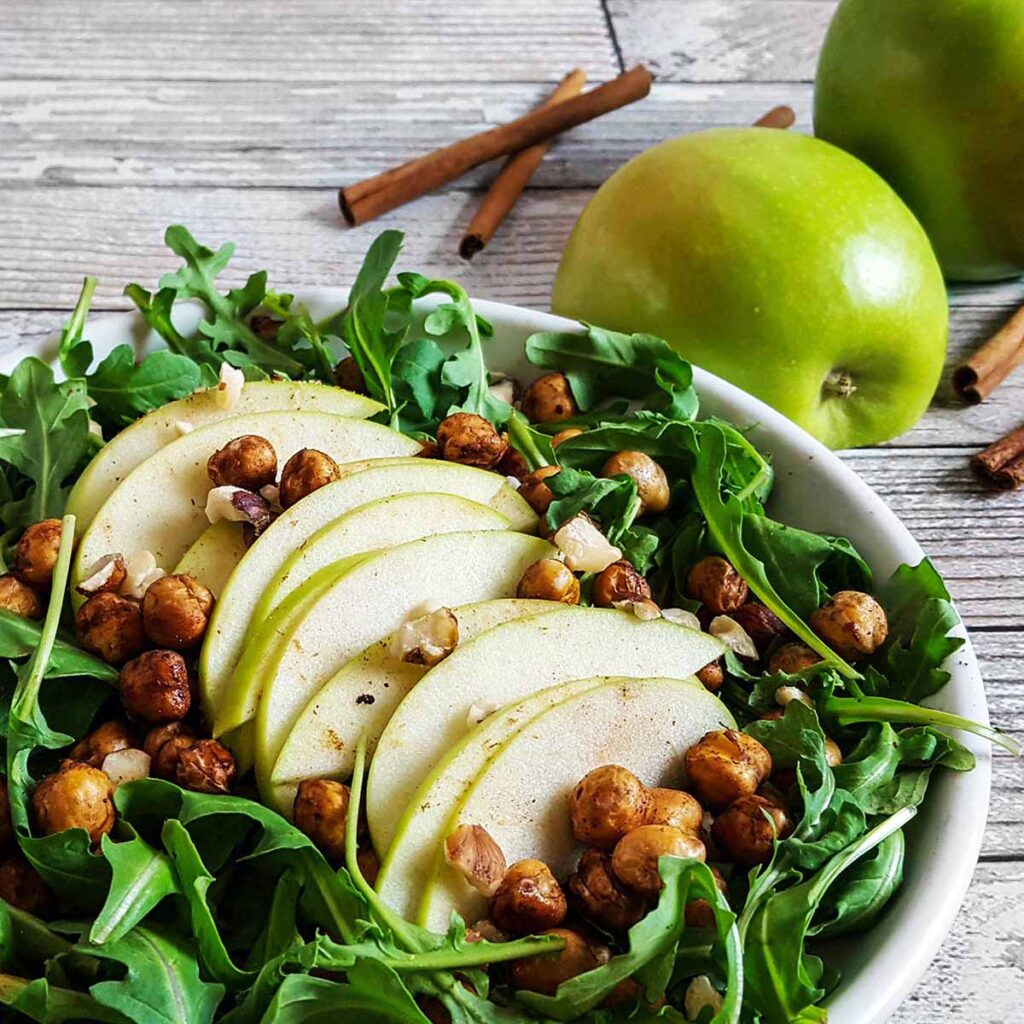
Fall apple salad with cinnamon-roasted chickpeas
This is a simple fall arugula salad that’s meant to let the apples shine. Use your favorite apple or pick ones that are slow to brown like Granny Smith or Cortland.
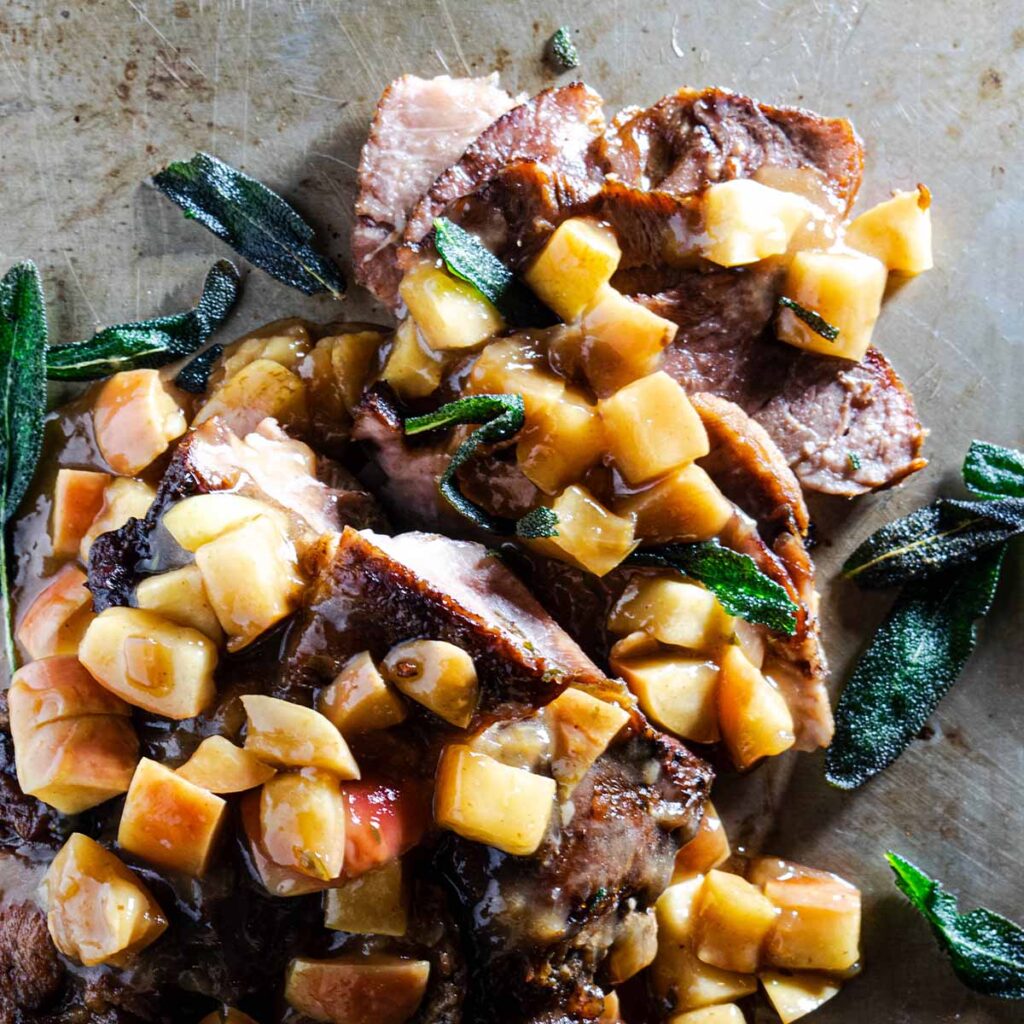
Apple cider braised pork shoulder
I developed this apple cider braised pork from Seven Sons Farms in Indiana because of their regenerative farming practices. I use apple cider and fresh apples that turn into an incredible sauce.
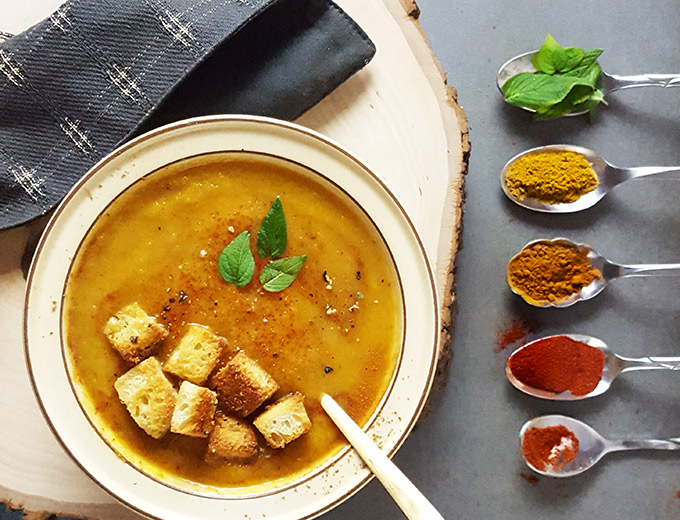
Butternut squash and apple soup
Grab your Harvest Fest apples that may have sat on the counter a bit too long and toss them in a butternut squash and apple soup. I add a fun mix of spices to this recipe: cumin, cinnamon, paprika, and cayenne pepper, along with homemade sage croutons.
Apple tasting notes
I’ve “only” been able to taste test a 30-40 apple varieties, but our club has collectively tasted hundreds. Below is a list of tasting notes from all of that experience.
Northern Spy
- Flavor and texture: A balanced mix of sweet and tart, with juicy, crisp flesh and a rich flavor.
- Best uses: A classic pie apple and an all-purpose cooking apple. Less suited to drying or cider.
- Background: Originated as a seedling around 1800.
Mutsu (Crispin)
- Flavor and texture: Moderately sweet and slightly tart, with crunchy, juicy flesh that resists browning.
- Flavor notes: A delicate spicy flavor with a faint hint of anise.
- Best uses: Fresh eating, baking, applesauce, cider, freezing, and drying.
- Background: A cross between Golden Delicious and Indo, introduced in Japan in 1948.
Fuji
- Flavor and texture: Sweet, crisp, and juicy, with mild acidity and an especially appealing texture.
- Best uses: Fresh eating and salads.
- Storage: Keeps well.
- Background: Developed in Japan by crossing Delicious with Ralls Janet.
Rome Beauty
- Flavor and texture: Tangy, with thick skin. The fruit is medium to very large, with striped to almost solid red coloring.
- Best uses: Known as the “baker’s buddy” because it holds its shape and tangy flavor during cooking. Also used for cider, salads, and fresh eating.
- Background: Discovered as a chance seedling near Rome, Ohio, in 1820. Its parentage is unclear.
Honeycrisp
- Flavor and texture: Very crisp flesh, with mottled red skin over a yellow background.
- Best uses: Fresh eating and cooking.
- Storage: Known for its keeping quality; the supplied notes list up to five months in storage.
- Background: Released by the University of Minnesota in 1991; also identified as Minnesota 1711.
Amarilla Soul
- Flavor and texture: Crisp and very juicy, with a snappy bite.
- Appearance: Light yellow skin with a smooth, waxy surface and no russeting.
- Harvest: Ripens approximately one week after Gala and has a long harvest window.
- Background: Developed by the Midwest Apple Improvement Association and identified as MAIA-AM.
Gold Rush
- Flavor and texture: Moderately tart, with spicy notes.
- Best uses: Fresh eating.
- Storage: Keeps well, comparable to Fuji.
- Background: Developed at Purdue University.
Snow Sweet
- Flavor and texture: Very sweet and juicy, with flesh that resists browning.
- Best uses: Salads and snacking.
- Background: Developed in Minnesota for cold hardiness.
Liberty
- Flavor and texture: Crisp, juicy, light yellow flesh with a lively flavor.
- Appearance: Medium to large, with bright, shiny skin and a red blush covering about 90% of the fruit. Similar in appearance to McIntosh.
- Best uses: Fresh eating, cooking, canning, and desserts.
- Background: A cross between Macoun and Purdue 54-12, noted for disease resistance.
Golden Russet
- Flavor and texture: Crisp, fine-textured yellow flesh with a rich flavor and very sugary juice.
- Appearance: Golden brown skin with a coppery-orange cheek.
- Best uses: Cider, drying, fresh eating, and cooking. Sometimes called the “Champagne of old cider apples.”
- Storage: An excellent keeper.
- Background: Originated in New York and was described by Downing in 1845.
Ida Red
- Flavor and texture: Crisp, fine-grained, aromatic flesh with a mildly acidic taste.
- Appearance: Large fruit with striking, solid bright red skin.
- Best uses: Fresh eating, baking, pies, and makes a pink applesauce.
- Background: Introduced in 1942.
Jonathan
- Flavor and texture: A lively, mildly tart flavor, with thin but tough skin.
- Appearance: Medium to large, almost round fruit.
- Best uses: Fresh eating and cooking.
- Storage: Can keep until late winter.
- Background: Originated as a seedling of Esopus Spitzenburg; first described in print in 1826.
Ludacrisp
- Flavor and texture: Crisp and full of juice, with a fruity, almost tropical flavor.
- Flavor notes: Compared to pineapple, grape, strawberry, and Juicy Fruit chewing gum.
- Appearance: Large, red fruit.
- Best uses: Fresh eating and juicing. Its fruity aromas can also carry through into hard cider.
- Background: Developed by the Midwest Apple Improvement Association.
Braeburn
- Flavor and texture: Crisp and very juicy, with a clean snap and a strong, refreshing apple flavor that balances sharpness and sweetness.
- Flavor notes: Sometimes has a hint of pear.
- Appearance: Bicolored skin.
- Best uses: Snacking and baking.
- Background: Originated in New Zealand in the 1950s and was named after Braeburn Orchards, where it was first grown commercially.
Pazazz
- Flavor and texture: Crisp and juicy, with a tart flavor. Developed to offer a crunch similar to Honeycrisp with a different flavor.
- Appearance: Large, reddish fruit with striped skin.
RiverBelle
- Flavor and texture: Sweet-tart, with crisp, juicy flesh and a crunch compared to Honeycrisp.
- Best uses: Especially good for snacking; also suitable for cooking.
Pixie Crunch
- Flavor and texture: Sweet, juicy, and crisp, with mild to moderate acidity and a rich, spicy flavor.
- Appearance: Medium to dark red or purple-red skin over a green background.
- Best uses: Fresh eating, cooking, and no-sugar pie recipes.
- Background: Originally known as Co-op 33.
Sun Crisp
- Flavor and texture: Sweet and spicy, with flavor that mellows in storage.
- Best uses: Baking.
- Storage: Can keep for up to six months.
- Background: Developed by Rutgers University from Golden Delicious and a Cox’s Orange Pippin/Cortland cross.
Granny Smith
- Flavor and texture: Crisp, juicy white flesh with a snappy flavor.
- Appearance: Large, firm, grass-green fruit that resists bruising.
- Best uses: Fresh eating and cooking.
- Storage: Can keep for up to six months.
Empire
- Flavor and texture: Creamy white, crisp, juicy flesh with mild acidity.
- Appearance: Medium, round fruit.
- Best uses: Fresh eating and cider.
- Background: A cross between McIntosh and Red Delicious, developed at the Geneva station in New York in 1945.